
The Golden Age of UK Brewing with Ron Pattinson – BeerSmith Podcast #351
Tweet Ron Pattinson joins me this week to discuss the Golden Age of UK Brewing which spanned roughly from the […]
General Homebrewing Topics
Tweet Ron Pattinson joins me this week to discuss the Golden Age of UK Brewing which spanned roughly from the […]

Tweet Jamil Zainasheff joins me this week to discuss why you should (or should not) start a brewery today and
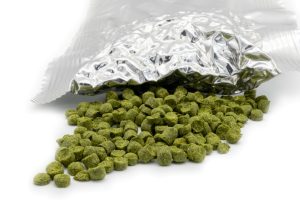
Tweet This week I take a look at the best way to store your hops to maintain their freshness as

Tweet This week I take a look at Reverse Osmosis (RO) water systems and why they are a popular choice

Tweet Randy Mosher joins me to discuss his just released book “Your Tasting Brain” which covers the complex science of
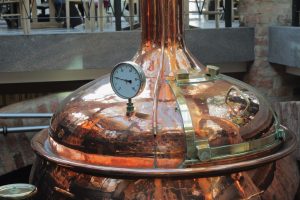
Tweet This week I take a closer look at whirlpool hopping techniques, hop stands, what whirlpool hops bring to a

Tweet While styles such has Hazy IPA are popular at the moment, this week I explore how to make a
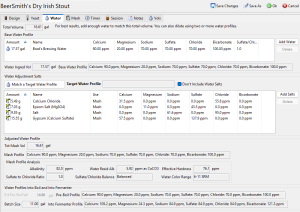
Tweet This week I take a close look at the many changes to the water profile features in BeerSmith 4.

Tweet Jeff Bloem joins me from Murphy and Rude Malting in Virginia to discuss challenges his business has had producing
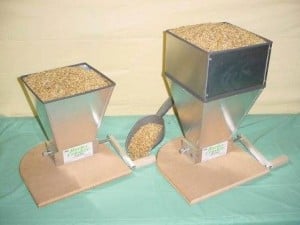
Tweet This week I take a look at malt mills designed for brewing beer and cover some of the major

Tweet Mitch Steele joins me from Abita Brewing to discuss his new position as Director of Operations, Non-Alcoholic (NA) beer

Tweet This week I take a look at how to rapidly chill your beer in the shortest time possible so

Tweet This week I take a look a the fine art of making mead and how modern mead techniques have

Tweet Brewing author Drew Beechum joins me this week to discuss homebrewing, his homebrew story, Homebrewcon in Asheville, and the
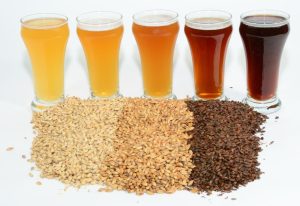
Tweet This week I take a look at beer color, how it is measured, where it comes from and how

Tweet This week I take a look at first wort hops, and whether they really do make your beer better.

Tweet Many beer styles rely on a full bodied beer with great head retention, mouthfeel and complex character. Higher body

Tweet Bryan Pietrzak, co-founder of Twelvenote Brewing joins me this week to discuss his new brewery, beer design, and trends
 24.60k


 18.40k

 18.30k